
Dry Needling in Montréal

Dry needling means inserting a very fine needle, with no medication, directly into a point of muscle tension, often called a knot or trigger point. The goal is to release a muscle that is stuck in contraction, ease the pain and bring back movement where your body has started to compensate.

At our clinic, it is one tool among several, built into a physiotherapy treatment plan. You will find more technical detail on our page about the dry needling technique.

Book an appointment →
15+
Années d'expérience
5000+
Patients traités
98%
Taux de satisfaction
2
Cliniques à Montréal

The Pain Montrealers Bring Us Most Often

In Montréal, the seasons shape a good part of what we see. In winter, it is shoulders and lower backs that suffer after a snowstorm and an hour of shovelling, or ankles and hips after a fall on an icy sidewalk. In spring, runners get back on the Lachine Canal and Mount Royal a little too quickly, and their tendons let them know.

The rest of the year, many of our patients spend their days sitting, at an office downtown or working from home in an apartment where the makeshift desk is anything but ergonomic. The neck stiffens, tension headaches settle in, and the traps turn hard as stone. That is exactly the kind of persistent muscle tension where dry needling can make a real difference.
What a Session With Us Looks Like

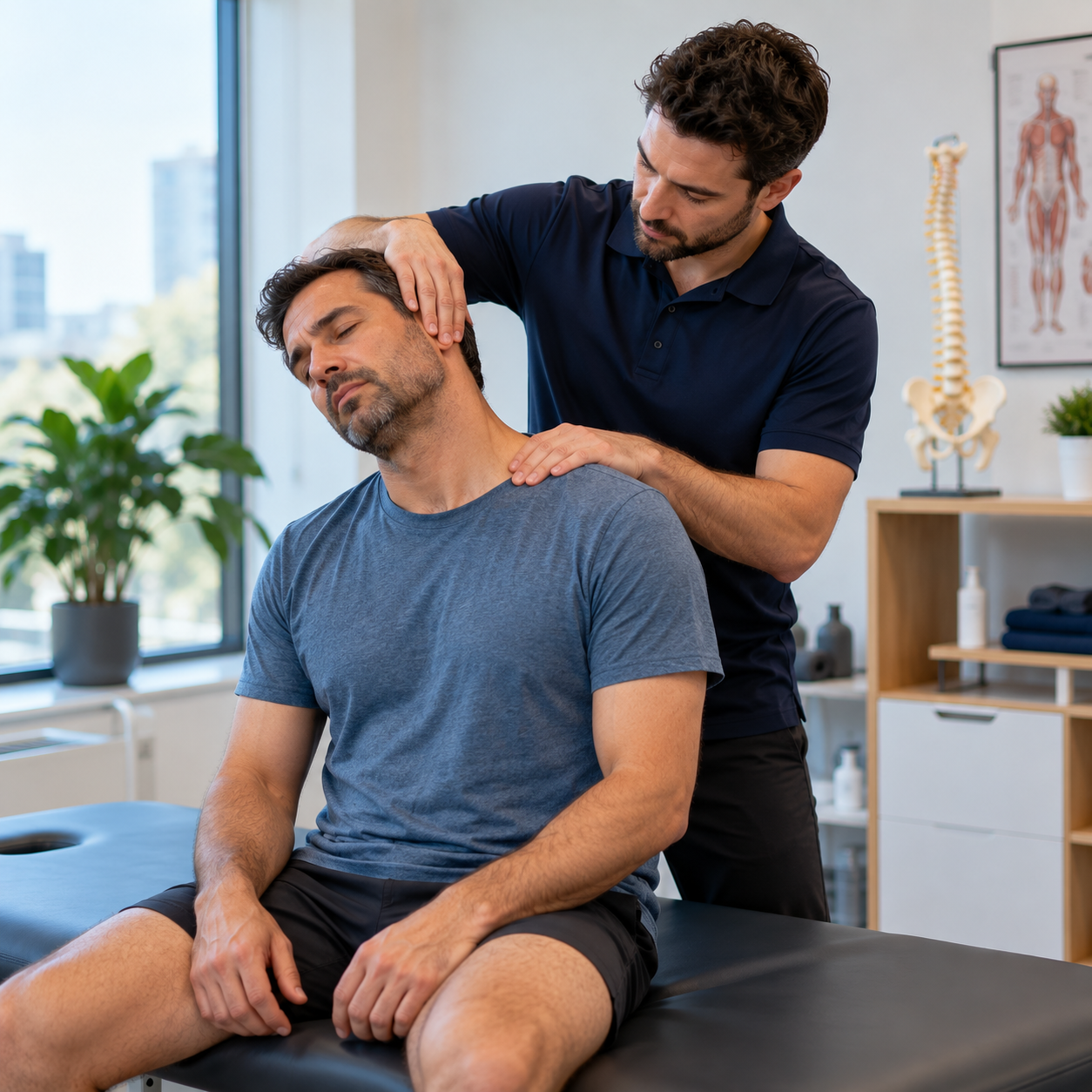
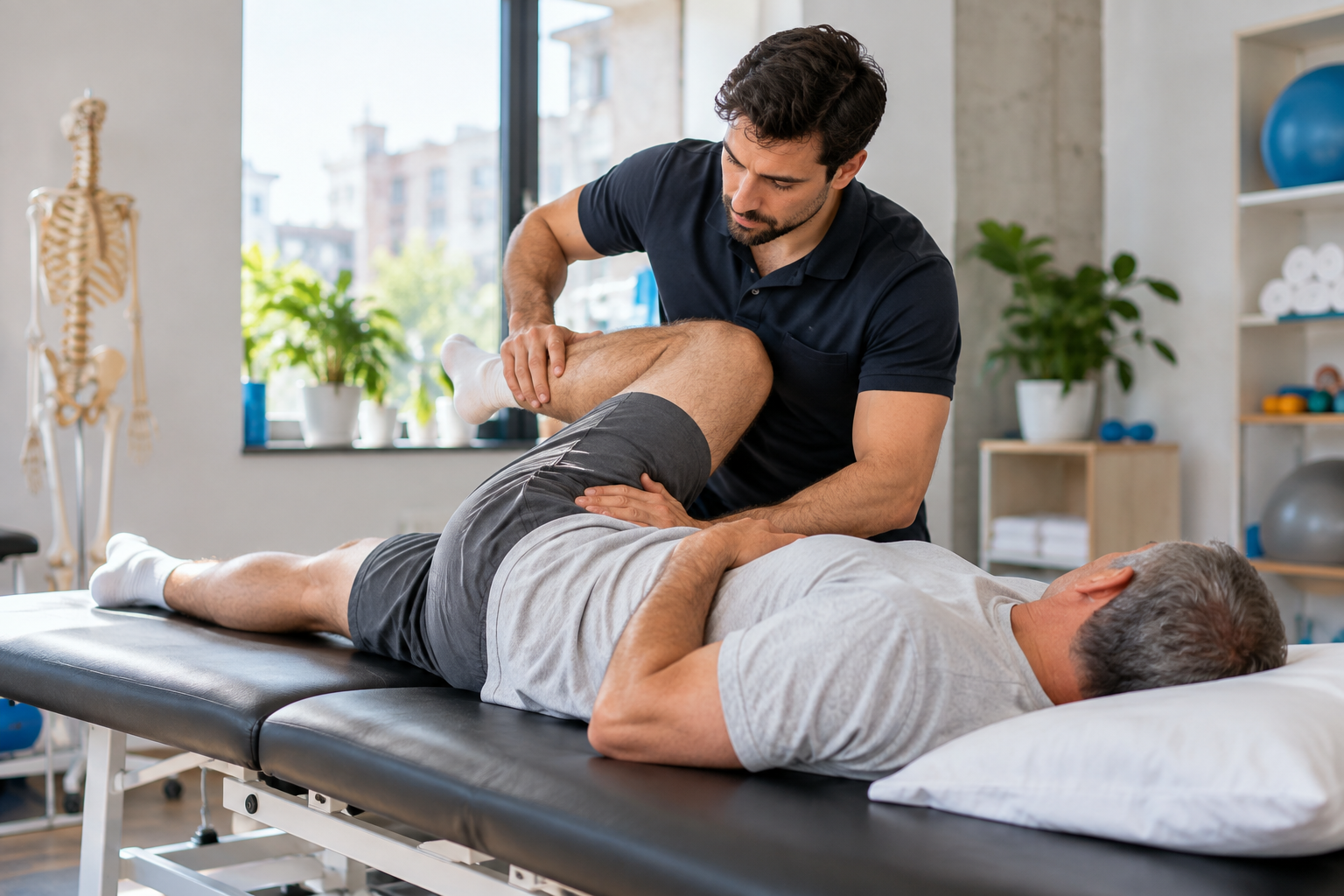
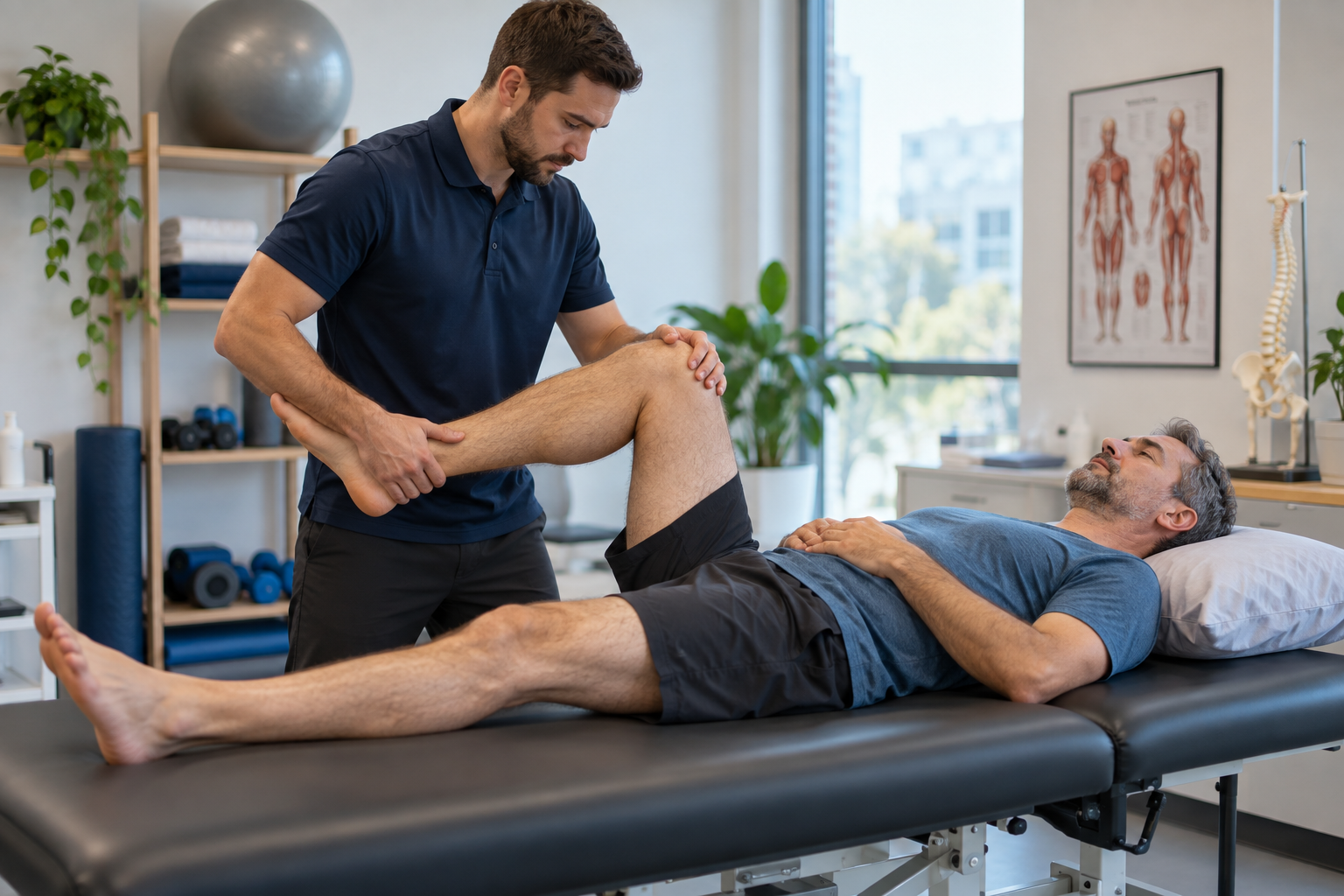
Everything starts with an assessment. Before a single needle comes out, our physiotherapist asks about your pain, your daily routine and your history, then looks at how you move to find the real source of the problem. The spot that hurts is not always where the responsible muscle is hiding.

If dry needling suits your situation, we explain what we are going to do and why. During insertion, you may feel a small cramp or a reflex twitch in the muscle, which is normal. The session usually continues with exercises, manual therapy or advice for home, because the needle releases the muscle, but movement is what locks in the result.

Dry Needling or Acupuncture: What Is the Difference?

We get this question almost every week. Both use similar needles, but the reasoning is different. Dry needling targets specific muscle structures identified during a physiotherapy exam. Acupuncture is based on another framework, traditional Chinese medicine, with its own points and its own logic.

The advantage of a clinic like ours is that you do not have to choose alone. We also offer acupuncture sessions with a distinct approach, and our team can point you toward the option that best fits your condition.

A Multidisciplinary Clinic in Montréal Since 2009

Urgence Physio has been welcoming patients in Montréal since 2009. Our team brings eight disciplines under one roof: physiotherapy, occupational therapy, osteopathy, massage therapy, acupuncture, dry needling, geriatric care and physiotherapy for refugees. When your problem touches more than one area, our professionals talk to each other, and your treatment plan reflects that.

We see people who got hurt at work, playing sports or simply living their lives. For athletes, from the Sunday hockey player to the cyclist doing laps of the island, dry needling often fits into a sports physiotherapy program to speed up the return to play.

Montréal is a city of many languages, and so is our team. We speak more than ten languages at the clinic, which lets many patients describe their pain in the language they are most comfortable with.

Visiting Us, Whatever Your Neighbourhood

Our clinic is located at 2111 Northcliffe Avenue, in Notre-Dame-de-Grâce. Our patients come from all over the island: the Plateau, Verdun, Saint-Laurent, the West Island and beyond. For people who have trouble getting around, we also offer physiotherapy home visits. Tell us about your situation and we will see together what is possible.

Book an Appointment in Montréal

Tension that will not let go, back pain that comes back every winter, an injury that lingers? Our team in Montréal is here to help you move better. Book an appointment online or call us at 514 488 3131. You are in good hands.

Frequently Asked Questions

Does dry needling hurt?

The needles are very fine, so the insertion itself is often barely noticeable. You may feel a brief cramp when the muscle reacts, and some soreness for a day or two afterward.

How many sessions will I need?

It depends on your condition, how long you have had it and how you respond to treatment. We discuss this after the assessment and adjust the plan based on your progress rather than setting a number in advance.

Is dry needling covered by my insurance?

Coverage varies a lot from one plan to another. We recommend checking with your insurer before your appointment, mentioning that the treatment is provided as part of physiotherapy care.

Can I get dry needling after a work accident?

Yes, we treat patients following work accidents. After the assessment, our physiotherapist determines whether dry needling has a place in your rehabilitation.

Is there anyone it is not recommended for?

Some conditions call for more caution, for example taking blood thinners, pregnancy or a strong fear of needles. That is exactly why the initial assessment matters, and we have other options if needling is not right for you.

Prêt à retrouver vos mouvements?

Réservez votre évaluation sans attendre.

Réserver maintenant →