Global Postural Reeducation (GPR)

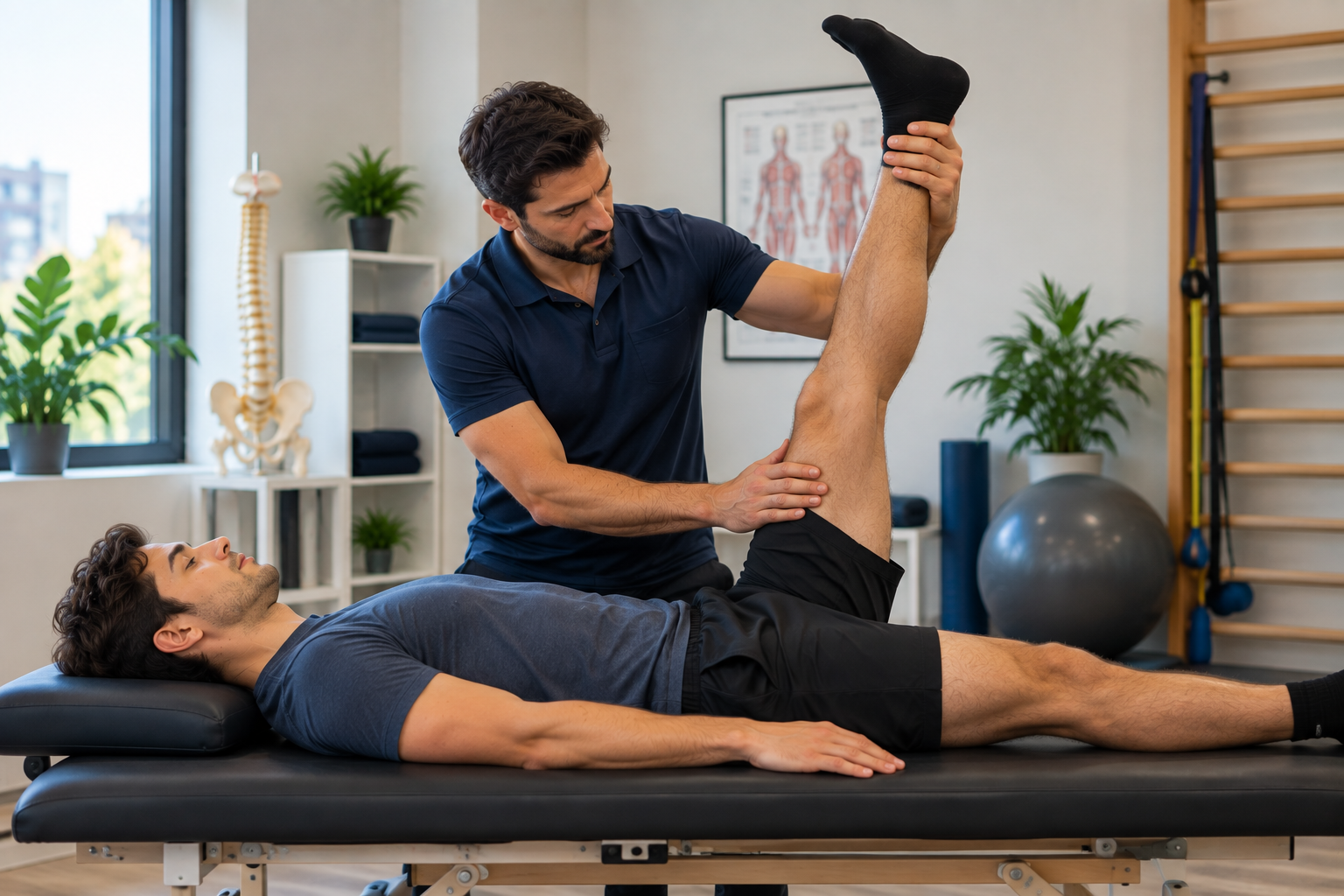
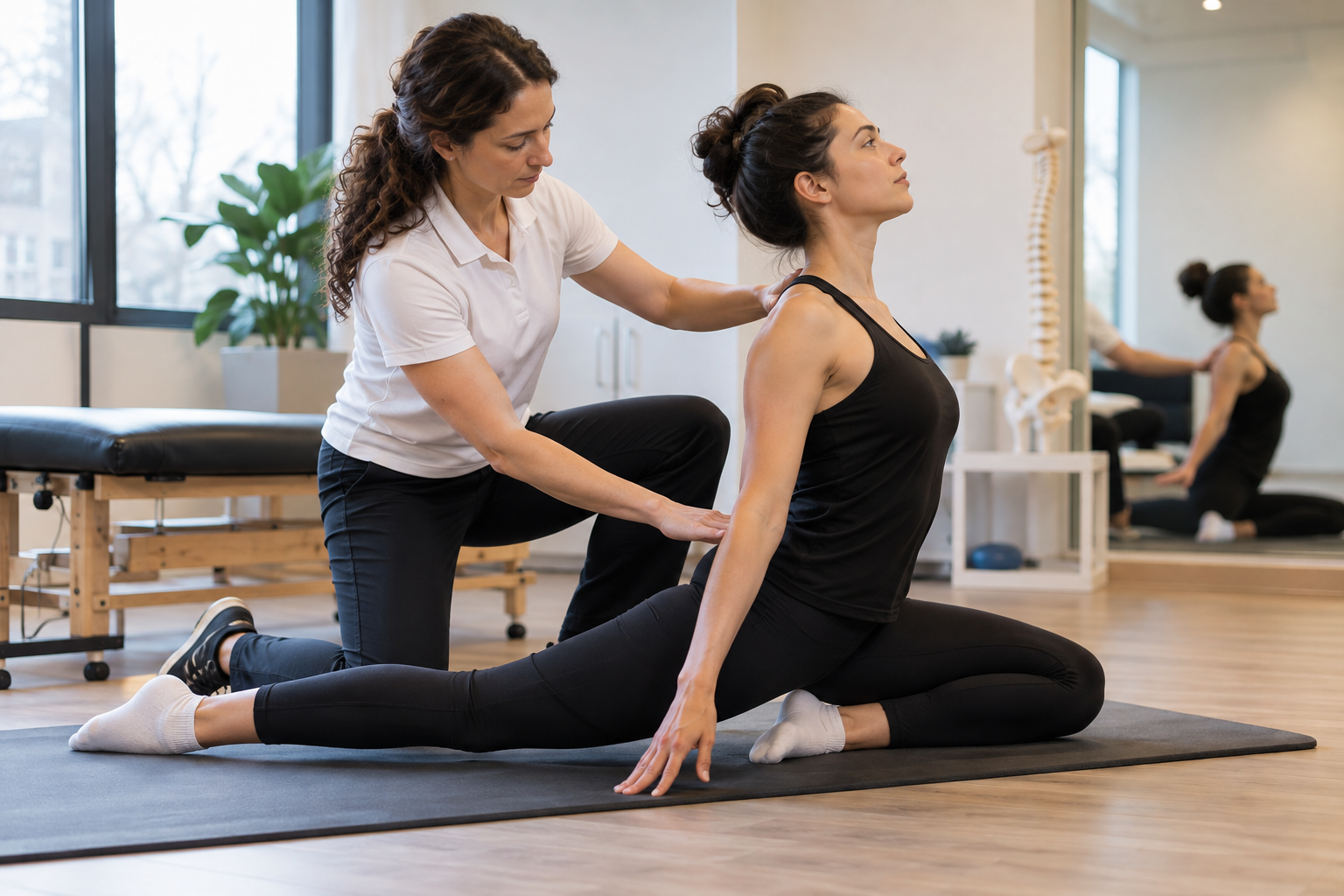
Global postural reeducation, known in Quebec as RPG, is a physiotherapy approach that treats the body as a set of connected muscle chains. Instead of focusing only on the spot that hurts, we look for the compensation that keeps the pain going, which is often far from the symptom itself.
A stiff hip can end up pulling on the lower back. A shoulder that rolls forward can overload the neck. With GPR, we work on these links directly, using active postures that you hold under guidance, with close attention to your breathing.

Book an appointment →
15+
Années d'expérience
5000+
Patients traités
98%
Taux de satisfaction
2
Cliniques à Montréal

Who can benefit from GPR?

At our Montreal clinic, we offer GPR to patients of all ages whose pain keeps coming back despite standard treatment, or whose posture has shifted over time. It is especially helpful for people dealing with:

  1. chronic back pain in the lower or mid back
  2. neck pain and shoulder tension linked to desk work
  3. scoliosis or kyphosis, in children and adults alike
  4. sciatica or pain that radiates down the leg
  5. postural imbalances after a sports injury or a workplace accident

If you are not sure whether GPR is right for you, that is exactly what the initial assessment is for.
What a GPR session looks like

Everything starts with a full assessment of your posture standing, sitting and moving. We look at how your body compensates, which muscle groups have shortened and which joints are doing too much of the work.

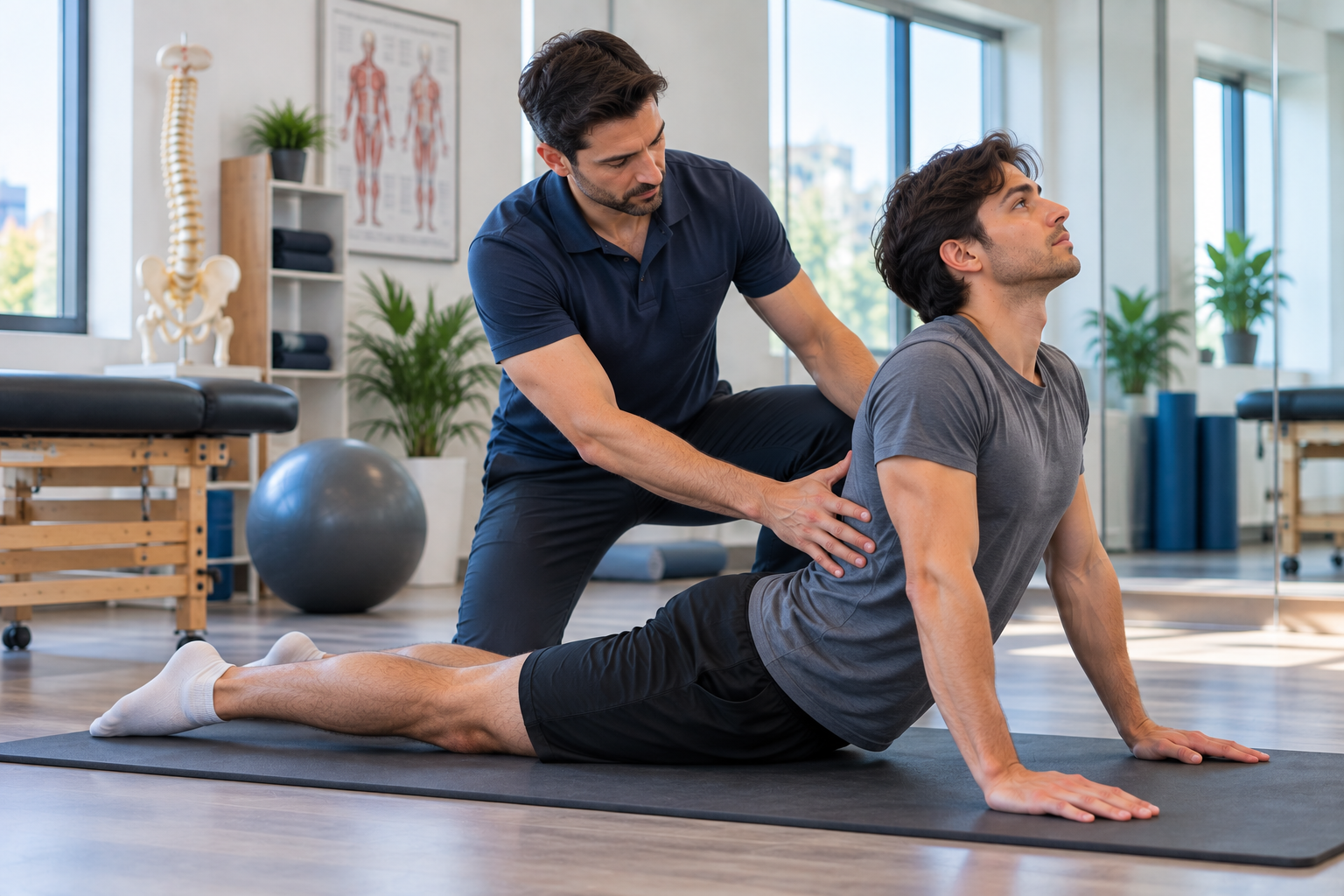
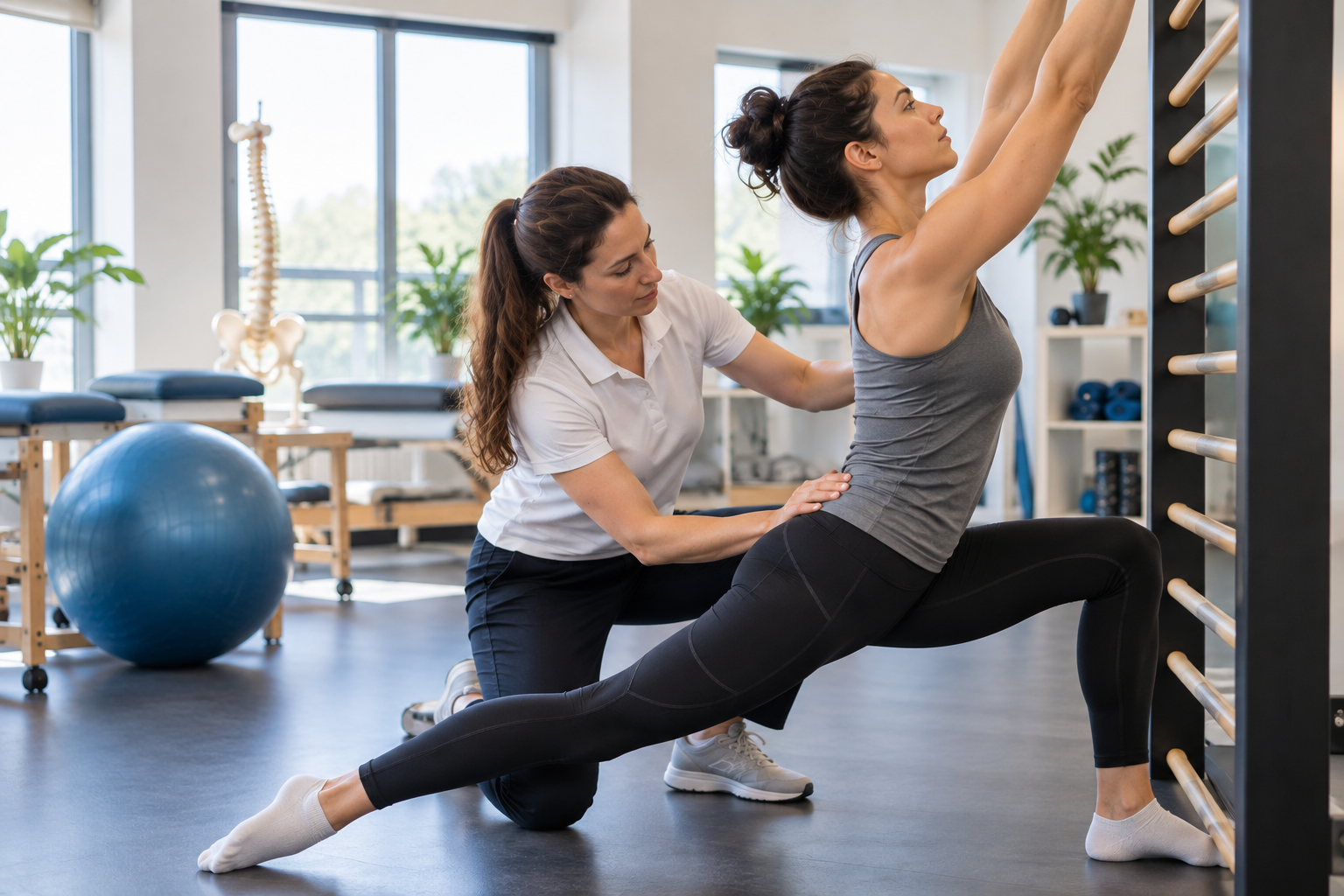
Your physiotherapist then sets you up in progressive postures, lying down, seated or standing. You hold the position while they fine tune your alignment by hand and guide you through slow breathing. The work is active: you are the one lengthening and strengthening the muscle chains, at your own pace.

  1. a full postural assessment on your first visit
  2. one on one sessions, one patient at a time
  3. simple exercises to repeat at home between appointments

Why see a multidisciplinary team

GPR calls for a careful reading of the whole body, and that is where a varied team makes a difference. At Urgence Physio, our physiotherapists work under the same roof as our occupational therapists, osteopaths, massage therapists and acupuncturists. When a posture problem comes from a poorly set up workstation, we can discuss it in house and build one consistent plan.

We often combine GPR with other approaches, such as manual therapy, massage or strengthening exercises, depending on what your assessment shows. To learn more about our disciplines, visit the page about our clinic and team.

Posture and life in Montreal

Montreal days are hard on posture. Long commutes on the metro or in traffic, working from home at the kitchen table and hours spent bent over a phone all add up.

Winter adds its share: we hunch up against the cold, walk across ice with tense shoulders and twist our backs shovelling snow. Many of our patients from Ahuntsic, Côte-des-Neiges, NDG and Westmount come in each spring with tension built up over months. GPR helps undo these habits before they become permanent.

A trusted clinic since 2009

We have been caring for Montrealers since 2009, from children as young as two to seniors. Our team speaks more than ten languages, including French, English, Spanish and Arabic, so everyone can fully understand their treatment and ask all their questions. We see sports injuries, workplace accidents and everyday aches and pains alike.

You can check the details and location of our physiotherapy clinic in Montreal before your first visit.

Book your postural assessment

Are your back, neck or shoulders acting up too often? Our team in Montreal is ready to assess your posture and put together a GPR plan that fits your daily life. Book your appointment online and start moving more freely. You are in good hands.

Frequently Asked Questions

How many GPR sessions will I need?

It depends on your condition, how long you have had it and how you respond to treatment. After your assessment, your physiotherapist will suggest a realistic plan and adjust it as the sessions go on.

Is GPR painful?

The postures can create an intense stretching sensation, but they should not hurt. We always adapt the position to your tolerance, and breathing goes a long way toward releasing tension.

Is GPR covered by insurance?

When it is delivered by a physiotherapist, GPR is generally billed as a physiotherapy treatment. Check the terms of your plan with your insurer.

How is GPR different from regular physiotherapy?

Regular physiotherapy often targets one specific area. GPR looks at the entire muscle chain and corrects overall posture, which makes it useful when pain keeps returning despite localized treatment.

Prêt à retrouver vos mouvements?

Réservez votre évaluation sans attendre.

Réserver maintenant →